0MY CART
 0
Is It Safe to Lift a Truck? Risks, Laws & Warranty Facts
May 21, 2026
Is It Safe to Lift a Truck? The Risks, Laws, and Honest Answer
Updated May 2026 · Originally published Feb 2021Yes, lifting a truck is safe when it's done right. That means a quality kit, professional or genuinely careful installation, supporting upgrades where the lift height demands them, and driving habits that respect the new center of gravity. Lifts up to 3 inches change very little about how a truck behaves. The 4-to-6-inch range wants supporting components like upper control arms, and everything above 6 inches raises rollover risk in hard cornering and puts real stress on axles, joints, and driveline angles. Two things the old advice always skipped: your state sets legal height limits, and a federal law called the Magnuson-Moss Warranty Act keeps a lift from automatically voiding your factory warranty.
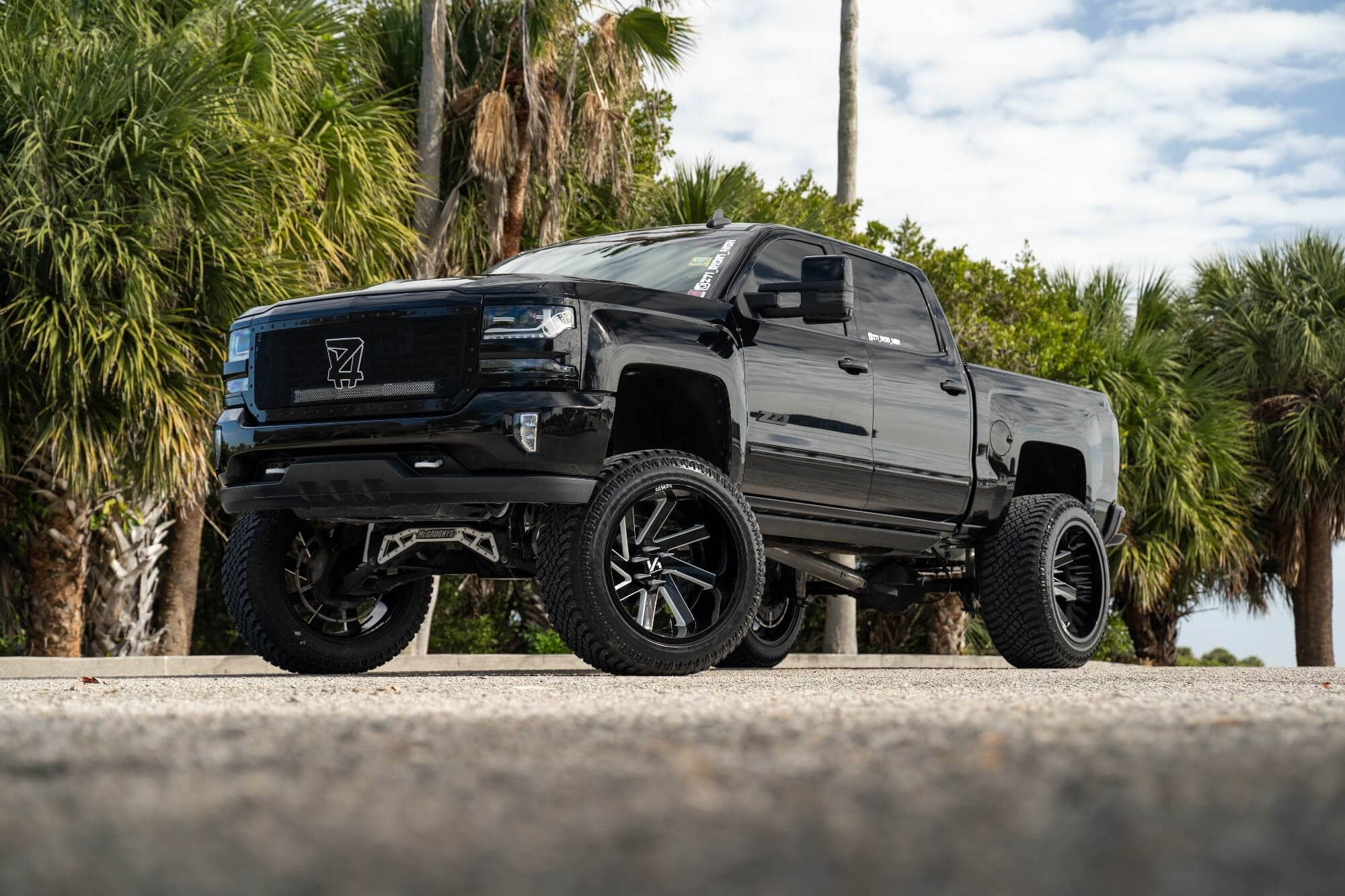
Lift kits are usually one of the first things everyone wants to install on their truck. A lift dramatically changes the appearance, especially with a wide wheel and tire setup, and it also changes the handling characteristics. So is it actually safe? Here's the full picture, including the legal and warranty questions that come up at the counter every week.
What's In This Guide
- Quick Definitions
- How Lift Kits Work
- Types of Lift Kits
- Risks & Rookie Mistakes
- Is It Legal in Your State?
- Warranty & Insurance
- Choosing Your Lift
- FAQ
Quick Definitions
Lift kit: raises the front and rear of your truck with either a spacer or a complete strut assembly, depending on the kit.
Leveling kit: balances the height of the truck front to rear through a spacer on the front strut, erasing the factory rake. Our lift vs leveling explainer goes deeper on that choice.
How Do Lift Kits Work?
A lift kit lifts your truck in both the front and the rear. Here's the trick, though. All trucks from the factory come with a "rake" that lets the truck sit lower in the front, and for most trucks that rake is about 2 inches. The rake compensates for weight in the bed or a trailer on the hitch, so the loaded truck sits level.
Say you install a 3-inch lift and the distance from the ground to the top of your front wheel well measures 35 inches today. With a 2-inch factory rake in the rear, the truck rises to 38 inches in the front and only 36 in the rear, because the rear was already sitting 2 inches tall to handle cargo weight. Good kits account for this; it's also why "3-inch lift" numbers on different trucks produce different-looking stances.

Types of Lift Kits
There are many types of lift kits out there, and the options can get confusing. The upside of all that choice: there's a kit for every kind of truck build. Sizes range from 2 inches all the way to 18, though 3-inch and 6-inch kits do most of the volume. Beyond 6 inches, plan on additional suspension components to keep everything living a long life, and expect a noticeable change in handling and driving feel.
Construction splits two ways: spacer kits sit on top of your stock strut and lift on a budget, while strut replacement kits swap the whole assembly for taller, better-damped hardware. Brands like Rough Country and Zone cover the value end; our Zone brand review explains what the budget tier actually buys you.

Rookie Mistakes and Real Risks
Now the big question, and the honest answer is yes, it's safe, with conditions attached. A lifted truck stays safe with a proper installation, sane driving habits, regular maintenance, and supporting upgrades matched to the height: CV axles, U-joints, ball joints, bushings, bearings, and an add-a-leaf where the kit calls for them.
The physics deserve respect. A massive lift puts more stress on every other suspension component, and something eventually gives if you cheap out on the supporting cast. Handling changes too: the taller the truck, the higher the center of gravity, and 6-inch-plus builds genuinely can roll over in a corner taken too fast. At the milder end, 3-inch lifts still add wear, and an upper control arm upgrade is smart money, especially on the F-150. The rule underneath all of it: don't cut corners, because a truck built right lasts, and a truck built cheap sends you the bill later with interest.
| Lift Height | Risk Level | What It Needs |
|---|---|---|
| Leveling / 2″ | Minimal | Alignment afterward; that's about it |
| 3″ | Low | Alignment, consider upper control arms (F-150s especially) |
| 4–6″ | Moderate | UCAs, driveline attention, add-a-leaf for stability, quality shocks |
| 6″+ | Managed carefully | Full supporting hardware, respect for the new center of gravity |

Is a Lifted Truck Legal in Your State?
Lift laws are written state by state, and they vary a lot. California caps how far the body can sit above the frame (5 inches) and regulates frame height by vehicle weight. Colorado allows up to 4 inches of suspension lift with a 30-inch bumper-height ceiling. Alabama currently has no lift, frame, or bumper height limits at all. Many states regulate through maximum bumper height scaled to the truck's weight rating, commonly landing in the high-20s of inches for half-tons.
Will a Lift Void Your Warranty? Will Insurance Care?
Here's the part dealership service counters get wrong on purpose. Under the federal Magnuson-Moss Warranty Act, a manufacturer can deny a warranty claim over an aftermarket modification only by showing the modification caused the specific failure. A lift kit doesn't void your whole warranty. A lift that wears out your CV axles can cost you coverage on those axles, and your paint warranty survives untouched. Modest lifts fare best: kits under about 3 inches rarely generate component disputes, and some manufacturers even sell their own warranty-friendly lift kits through dealers.
Insurance runs on disclosure. Tell your carrier about the lift and add an aftermarket-equipment endorsement if you want the kit itself covered after a crash; undisclosed modifications are the classic reason claims on modified trucks get complicated. The premium bump for a moderate lift is usually small, and the paperwork headache from an undisclosed one is not.
What Lift Kit Should I Choose?
The right size depends on your truck and your style. When you're shopping, start with the honest questions: Do I want to build a show truck? Am I going to run a wide wheel and tire setup? Or do I want a truck that rides comfortably every day and still has that extra something to show off?
Show truck ambitions point at the tall kits, 6 through 18 inches, with an add-a-leaf for stability and carrying capacity. Wide wheels with that bulldog stance usually want a minimum 6-inch lift, sometimes with wheel-well trimming depending on the truck. And if you just want something a little extra without sacrificing comfort and driveability, the 3-inch to 6-inch range delivers the boost while keeping the truck a pleasure to drive. Budget brands like Rough Country and Zone keep the entry tier affordable, and current kit pricing lives in the suspension catalog where it can't go stale.
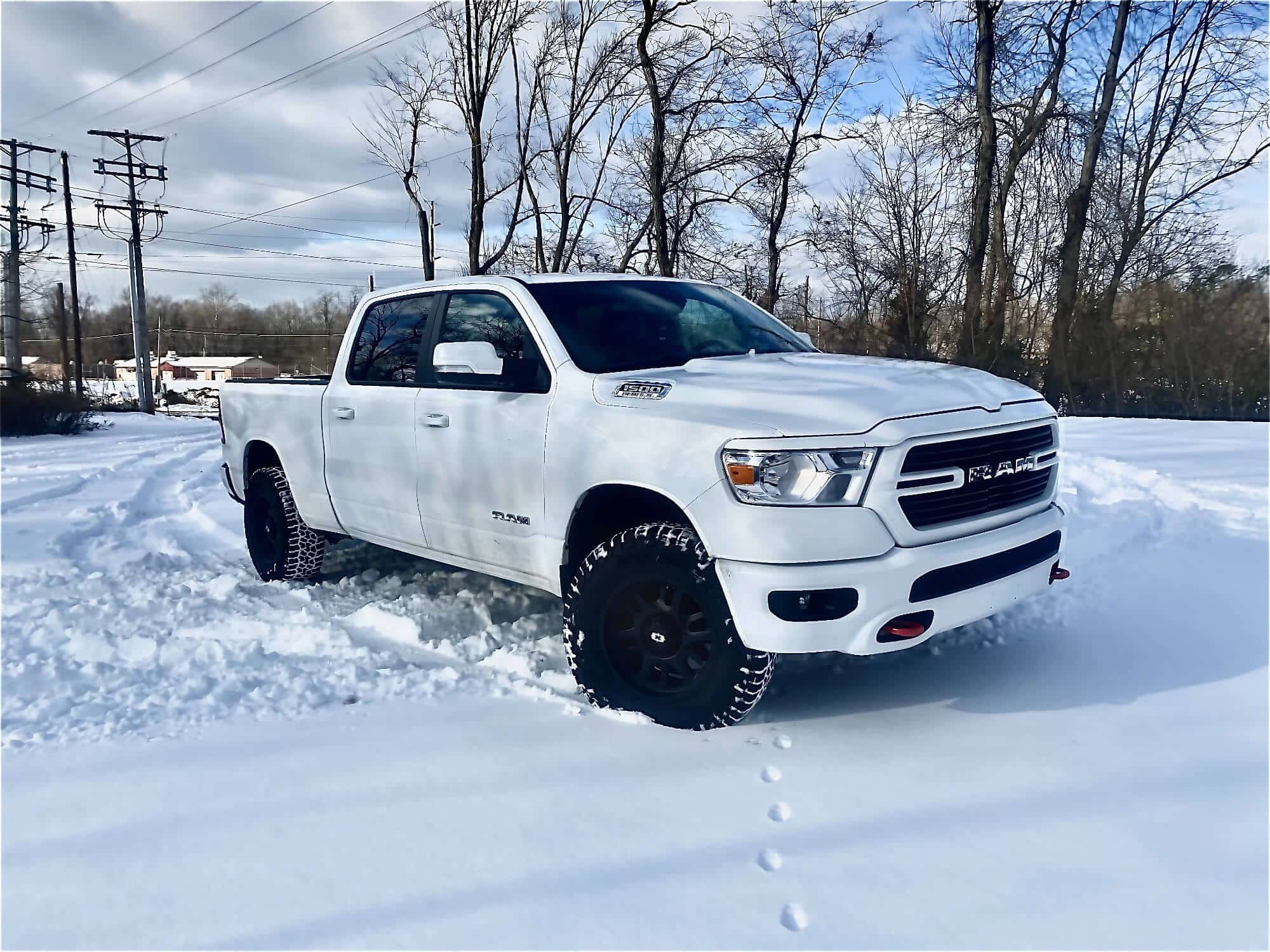
Take proper measurements, don't cut corners on installation, and the lifted truck you build will stay safe, legal, and out of the repair bay. Lifting an SUV instead? Our SUV lift guide covers the unibody wrinkles.
Why Buy the Package From SD Wheel
A lift changes every fitment number on the truck, which is why suspension, wheels, and tires belong in one verified order. Build all three at SD Wheel and the wheels and tires arrive mounted, balanced, and shipped free from our Wrightstown, Wisconsin warehouse, checked against your truck at its new height and backed by the Perfect Drive 30-day fitment guarantee. Financing available for the whole package, supporting upgrades included.
Frequently Asked Questions
Is it safe to lift a truck?
Yes, with quality parts, proper installation, and supporting upgrades matched to the height. Lifts up to 3 inches barely change daily behavior; 6-inch-plus builds demand real hardware and driving respect for the higher center of gravity.
Does a lift kit void your truck's warranty?
No, and federal law backs you up. The Magnuson-Moss Warranty Act requires the manufacturer to prove your modification caused a specific failure before denying that claim. Coverage on parts the lift directly stresses can be at risk; the rest of your warranty stays intact.
How high can I legally lift my truck?
Your state decides. Some states cap suspension lift height directly (Colorado allows 4 inches), some regulate body-to-frame distance (California caps it at 5 inches), many use maximum bumper heights scaled to vehicle weight, and a few set no limits at all. Check your state's statutes before buying a tall kit.
Does lifting a truck raise insurance costs?
Usually only modestly for moderate lifts, and the important move is disclosure: tell your carrier and add an aftermarket-equipment endorsement if you want the kit itself covered. Undisclosed modifications are what turn claims into arguments.
Do lifted trucks roll over easily?
A lifted truck carries a higher center of gravity, and above 6 inches of lift the rollover risk in hard cornering becomes real. Sane speeds through corners and a properly built suspension keep the risk managed; physics only punishes the trucks driven like they're still stock height.
What's the difference between a lift kit and a leveling kit?
A lift raises the whole truck front and rear; a level raises only the front to erase the factory rake. Leveling is cheaper, easier, and clears one tire size; lifting transforms the stance and clears the big rubber. Our full comparison settles which one your truck wants.
Guide updated May 2026 with state law, warranty, and insurance sections. Laws change and vary by state; verify your local statutes before building tall.