0MY CART
 0
Are Off-Road Tires Good in Snow? What 3PMSF Really Means
July 17, 2026
Are Off-Road Tires Good in the Snow? The Real Answer
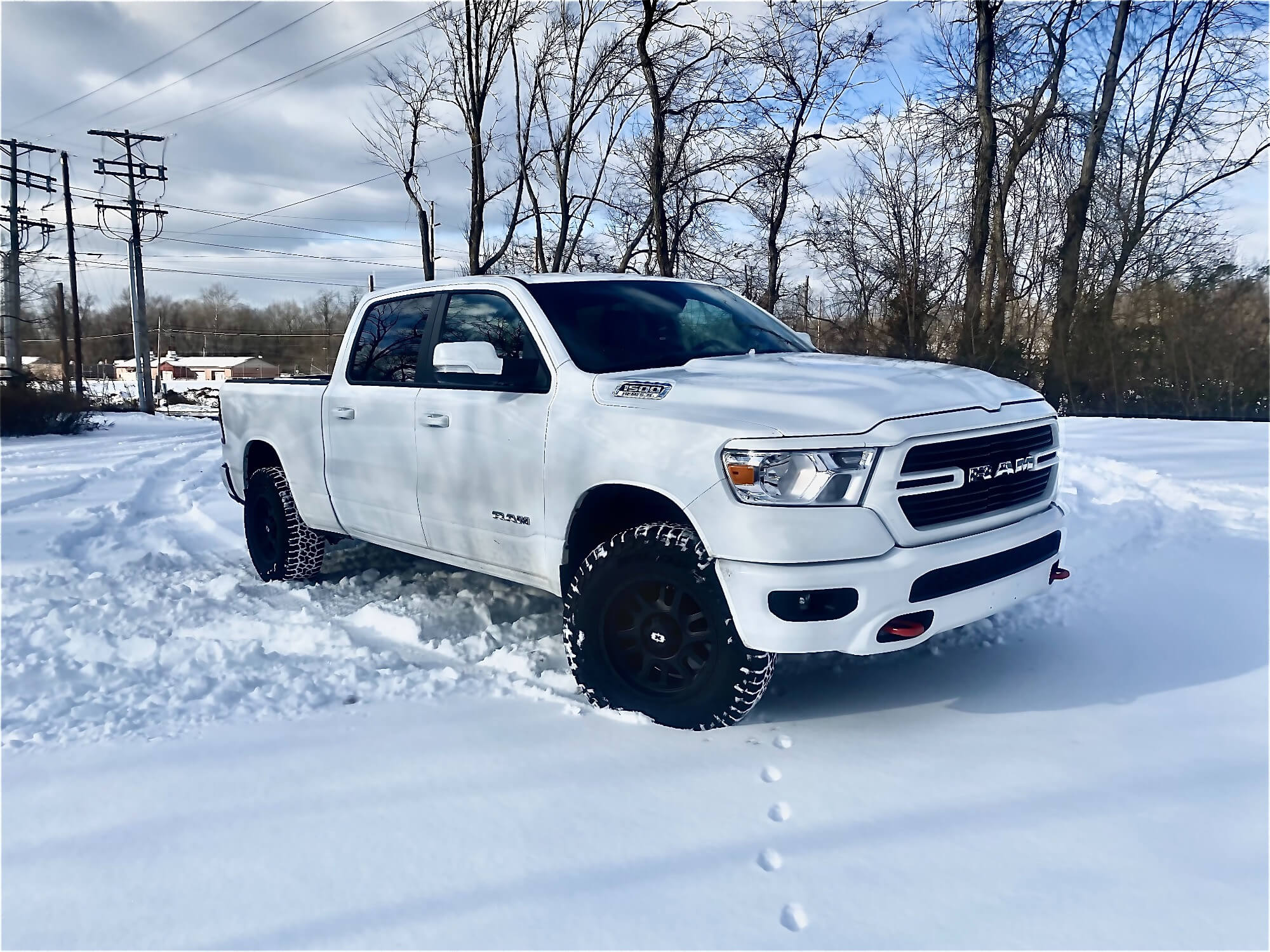
Updated July 2026 · Originally published Jan 2021Some off-road tires are good in snow, and the sidewall tells you which. All-terrain tires with the Three-Peak Mountain Snowflake (3PMSF) rating, like the BFGoodrich KO3, Toyo Open Country A/T III, and Falken Wildpeak A/T4W, handle winter roads confidently. Mud terrains, for all their aggression, are generally poor snow tires: their big voids pack with snow and their sparse siping gives up grip exactly when you need it. And even the best snow-rated all-terrain is not a dedicated winter tire, for reasons the rating itself explains below.
Every fall the same question rolls in from the truck community, and the honest answer has more nuance than the sidewall stamps suggest. Here's how each off-road tire type actually behaves in winter, what the snowflake badge does and does not certify, and the snow-rated picks we'd actually run.
What's In This Guide
How Each Off-Road Tire Type Handles Snow
All-Terrain: the winter-friendly one
All-terrains are the entry point to off-road tread and, not coincidentally, the best of the family in snow. Their tighter block spacing and generous siping (the small slits in the tread blocks that bite into snow and cold pavement) are exactly what winter traction is made of. Most of the credible snow-rated off-road tires live in this class.
Hybrid (R/T): the coin flip
Hybrids split the difference between all-terrain and mud tread, and their snow manners split the same way. A few carry meaningful siping; many don't. Treat every hybrid as guilty until the sidewall proves otherwise, and don't assume the aggressive look translates to snow grip. It usually means the opposite.

Mud Terrain: the honest no
Mud tires are built around huge blocks and deep voids that self-clean in mud, and that same architecture works against them in snow. The voids pack full, the sparse siping offers little bite, and the hard compounds stiffen in the cold. Some MTs do carry snow ratings, but as a class they're the wrong tool. If your winter is real and your tires are mud terrains, plan on a second set.
What the Snowflake Badge Actually Tests (and Doesn't)
The 3PMSF symbol means the tire passed the ASTM F1805 test: it delivered at least 12% better acceleration traction on medium-packed snow than a standard reference tire. Read that again, because the fine print matters: the test measures acceleration only. It says nothing about snow braking, cornering grip, or ice. That's why the badge is a meaningful floor, not a winter-tire equivalence: plenty of tires can pass an acceleration test that would fall well short of a dedicated winter tire in a braking or cornering measurement.
The Snow-Rated Off-Road Tires We'd Run
BFGoodrich All-Terrain T/A KO3
The KO3 carries the franchise forward with revised shoulders and better self-cleaning, and keeps the snow rating that made the KO2 a fixture in snow states for a decade. Remaining KO2 stock is still a snow-rated bargain while it lasts.
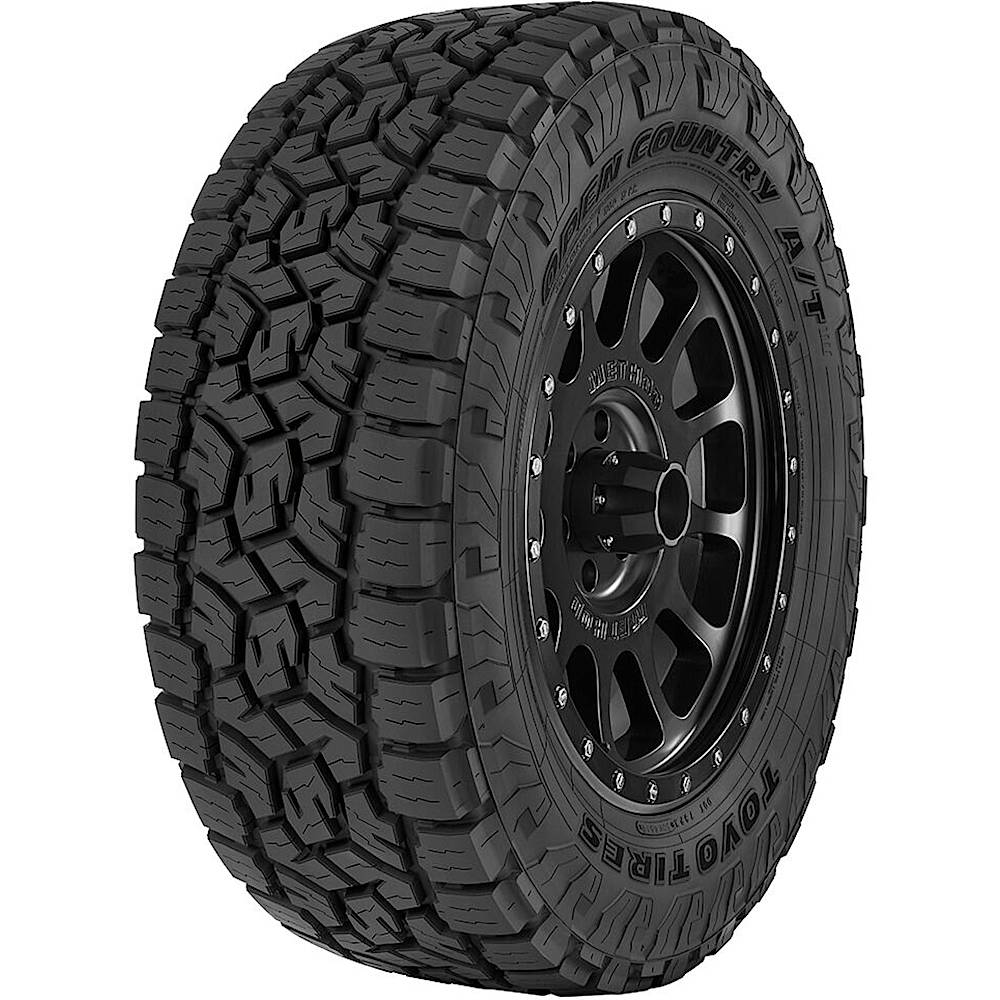
Toyo Open Country A/T III
Snow rating, long warranty, quiet ride: the A/T III is the pick when the same set of tires has to commute, tow, and get through February without drama.
Falken Wildpeak A/T4W
The old A/T3W earned a cult following as the best winter performer in the all-terrain class; the A/T4W sharpens the recipe with a tougher compound. If snow performance is your first filter, start here.
General Grabber A/TX
Still current, still snow-rated, and one of the few ATs you can stud for genuine ice duty. Quietly one of the best value picks in the snow-rated class.

Kenda Klever A/T2
Kenda's second-generation Klever added the snow rating and better wet manners while keeping the friendly price. The budget path to a legitimate snow-rated all-terrain.
| Tire | 3PMSF | Warranty | Snow Personality |
|---|---|---|---|
| BFGoodrich KO3 | Yes | 50,000 mi | Tough all-rounder |
| Toyo Open Country A/T III | Yes | Up to 65,000 mi | Tow rig favorite |
| Falken Wildpeak A/T4W | Yes | Up to 65,000 mi | Best-in-class winter lean |
| General Grabber A/TX | Yes | Varies by size | Value + studdable |
| Kenda Klever A/T2 | Yes | Varies by size | Budget entry |

When You Still Need a Dedicated Winter Tire
A snow-rated all-terrain covers most winter driving: plowed roads, occasional storms, cold commutes. A dedicated winter tire earns its keep when your season features regular ice, unplowed deep snow, or months below freezing, because winter compounds stay flexible in extreme cold and winter siping is engineered for braking and cornering, the exact things the 3PMSF test never measured. Rule of thumb: if your neighbors run winter sets, the badge alone isn't enough. Our snow tire guide covers the dedicated options, and if you go that route, a second set of wheels pays for itself in mounting fees within a few seasons.
Why Buy the Package From SD Wheel
Winter is exactly when a dedicated wheel-and-tire package makes sense: swap the whole set in your driveway in an hour instead of paying twice-yearly mount-and-balance bills. Every package ships mounted, balanced, and free from our Wrightstown, Wisconsin warehouse (we know winter personally up here), verified for your exact truck and backed by the Perfect Drive 30-day fitment guarantee.
Frequently Asked Questions
Are all-terrain tires good in snow?
The snow-rated ones are. All-terrains with the 3PMSF symbol, like the KO3, Open Country A/T III, and Wildpeak A/T4W, deliver confident traction on winter roads thanks to heavy siping and winter-friendly compounds. Non-rated all-terrains vary widely; check the sidewall, not the tread's attitude.
Are mud tires bad in snow?
Generally yes. The deep voids that clear mud pack full of snow, the sparse siping offers little bite on packed surfaces, and the compounds stiffen in cold weather. A mud tire can be adequate in deep, unpacked snow (which behaves a bit like mud), but on the packed and icy roads that make up real winter driving, it's the weakest choice in the off-road family.
What's the difference between M+S and 3PMSF?
M+S is a geometric tread classification with no performance test behind it; nearly everything qualifies. 3PMSF requires passing the ASTM F1805 snow traction test, beating a reference tire's acceleration by at least 12%. It's the only badge of the two that involves actual snow.
Do I still need winter tires if my all-terrains are 3PMSF rated?
For moderate winters, no; the snow-rated AT will serve. For regular ice, deep snow, or sustained deep cold, yes: the 3PMSF test only measures acceleration, while dedicated winter tires are engineered for the braking and cornering that keep you out of ditches.
What are sipes and why do they matter?
Sipes are the thin slits cut into tread blocks. Each one is an extra biting edge that grips snow and cold, wet pavement. Winter capability tracks siping density almost linearly, which is why heavily siped all-terrains handle snow and minimally siped mud terrains don't.
Guide updated July 2026 with current tire generations and 3PMSF test detail. Warranties vary by size and spec; confirm on the product page for your fitment.