0MY CART
 0
Can You Lift an SUV? Yes: Here's How It Actually Works
May 6, 2026
Can You Lift an SUV? Yes. Here's How It Actually Works
Updated May 2026 · Originally published Sep 2020Yes, you can lift an SUV. Nearly every SUV and crossover on the road can take a leveling kit or a lift, and the sweet spot for most is 1.5 to 2.5 inches. The one thing to know first: most modern SUVs are unibody (no separate frame), so they lift with spacer and coilover kits, and body lifts are off the table. Body-on-frame SUVs like a 4Runner or Tahoe have the full menu.
In short, yes, it is possible. Lifting an SUV gets you the ground clearance, the room for bigger tires, and the look you want for your vehicle. Here are the nuances if you have never done it before.
What's In This Guide
Is It Possible to Lift an SUV?
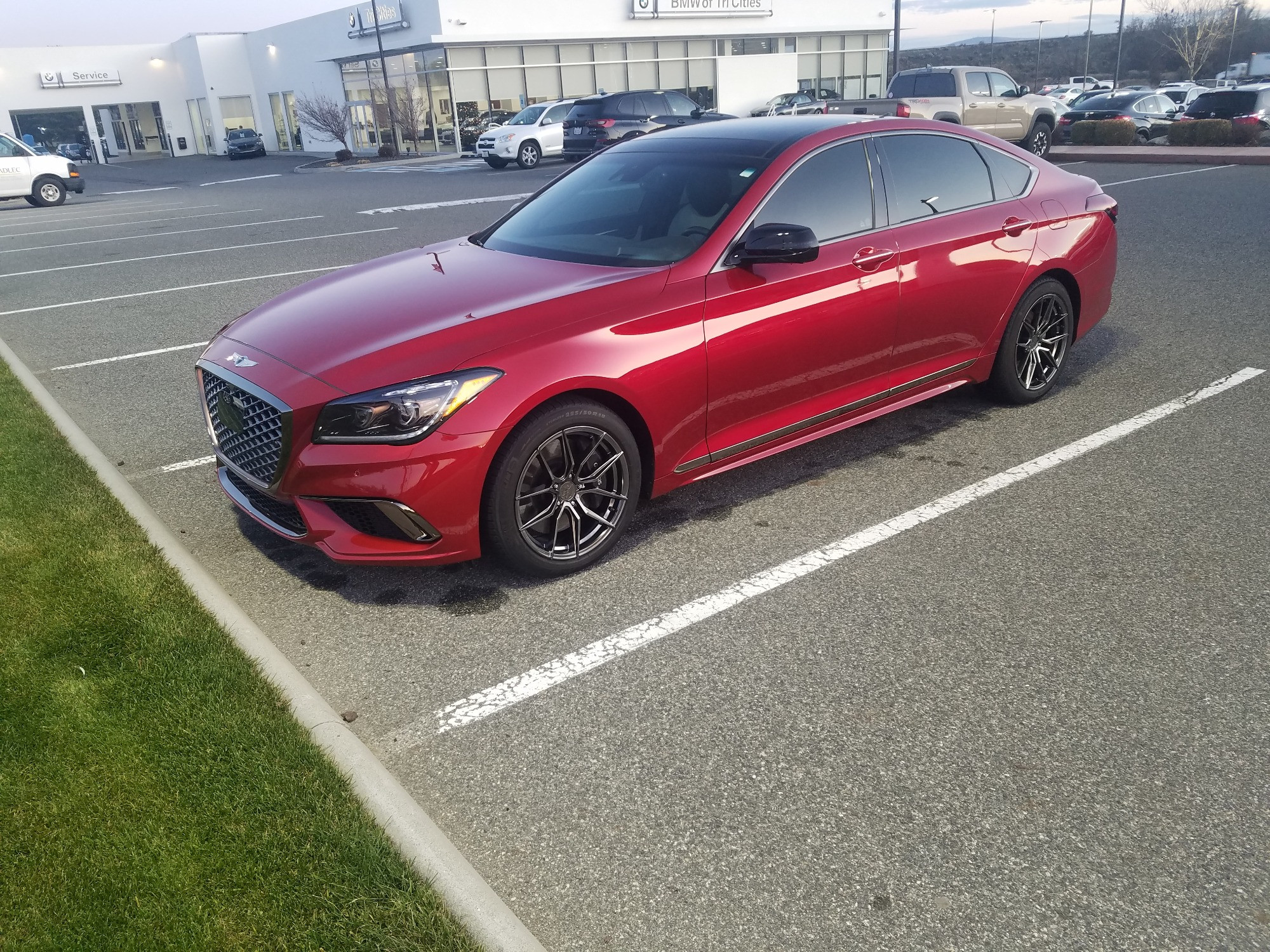
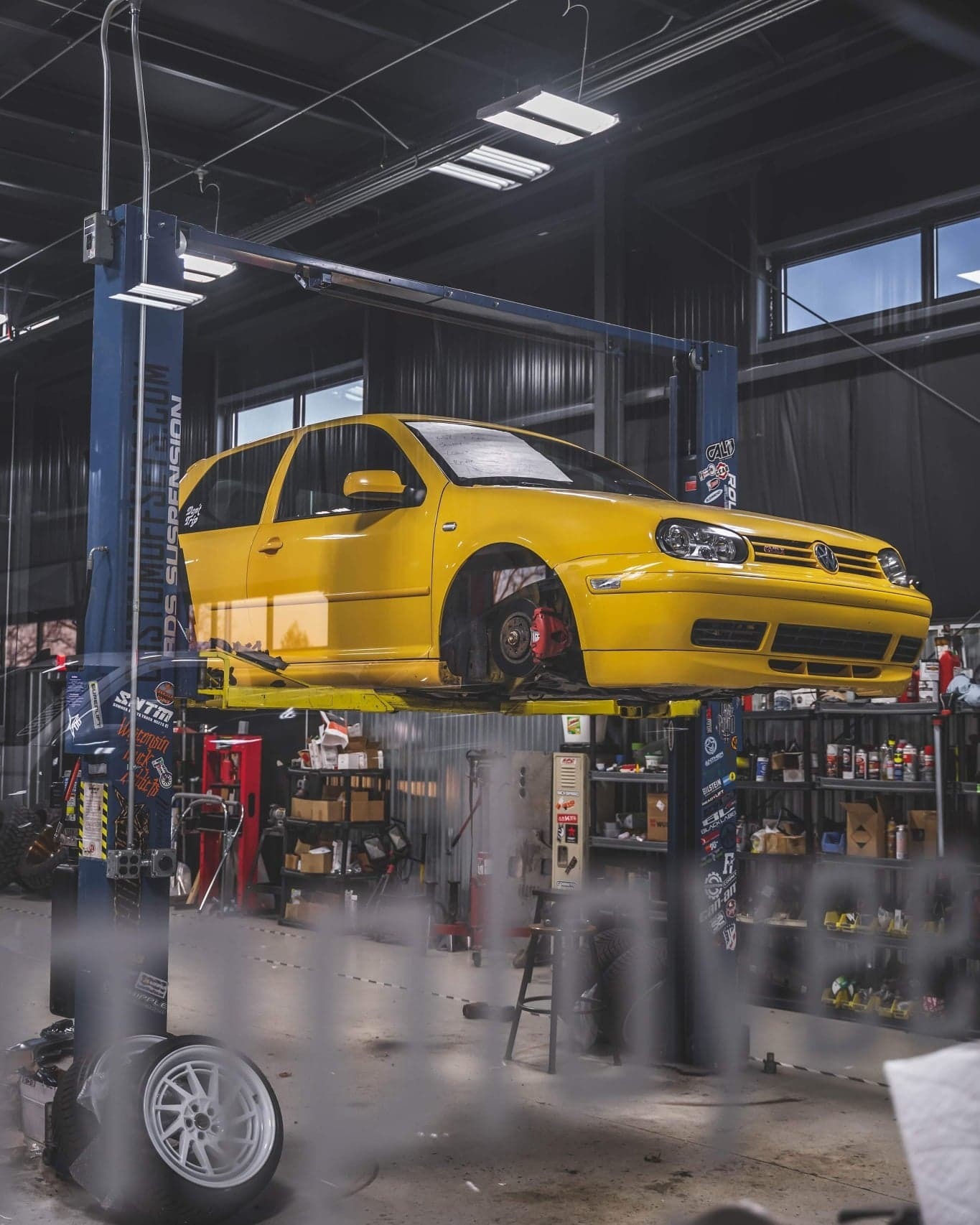
Absolutely, and the proof is all over this page: every build photo here is an SUV riding on a lift or level. The important part is matching the kit type to how your SUV is built, which brings us to the one piece of homework that matters.

Unibody vs Body-on-Frame: The Question That Picks Your Kit
Trucks and old-school SUVs bolt a separate body onto a ladder frame. Most modern SUVs and every crossover skip the frame entirely; the body and chassis are one welded structure, called unibody. That single fact decides your options.
| Construction | Examples | Lift Options |
|---|---|---|
| Unibody | Grand Cherokee, Explorer, Ascent, RAV4, most crossovers | Spacer lifts and leveling kits (1.5–2.5″ typical), coilover setups |
| Body-on-frame | 4Runner, Tahoe, Sequoia, Bronco, Wrangler | Everything: leveling kits, full suspension lifts, body lifts |

What Kind of Suspension Should I Get?
For SUVs, the two main routes are a leveling kit or a lift kit. We go in-depth on the difference in our lift kit vs leveling kit guide, but here's the short version.
A leveling kit does exactly what it says: it levels the vehicle out. Most vehicles leave the factory sitting slightly higher in the back, usually about two inches, which is called rake. A leveling kit adds roughly that much to the front only, evening out the stance and opening room for a bigger tire up front where clearance is tightest.
A lift kit raises the whole vehicle. A two-inch lift raises it two inches, front and rear. Some kits combine the ideas and lift the front slightly more than the rear to kill the factory rake at the same time; the product listing will spell out the front and rear numbers. Two inches is the most common SUV choice because it clears noticeably bigger tires while keeping the factory ride quality and geometry mostly intact.

How Far Can You Go?
You can go bigger than two inches on many SUVs, especially body-on-frame ones. Just do your research on how it affects handling before you commit: every inch of height raises the center of gravity, and unibody platforms run out of safe suspension geometry sooner than trucks do. Ride quality, steering feel, and fuel economy all shift a little with height, and some states cap total lift, so check your local rules. Our lift safety guide digs into all of it, and if you're still weighing whether a lift is right for your rig at all, that's exactly what our Should You Lift Your SUV? guide is for.

Some of our most popular suspension brands for SUVs are ProRYDE and SUPERLIFT.
Why Buy From SD Wheel
Lifting an SUV usually means new wheels and tires to match the new stance, and that's the part we've made painless: wheel and tire packages arrive mounted, balanced, and shipped free from our Wrightstown, Wisconsin warehouse, verified against your vehicle and your new ride height, with the Perfect Drive 30-day fitment guarantee covering the whole setup.
Frequently Asked Questions
Can you lift any SUV?
Nearly all of them. Unibody SUVs and crossovers take spacer and coilover lifts, typically up to about 2.5 inches. Body-on-frame SUVs can go further with full suspension lifts. The rare exceptions are vehicles with complex air suspension where aftermarket support is thin.
How much does it cost to lift an SUV?
Leveling and spacer kits sit at the budget end, full suspension lifts in the mid range, and coilover setups at the premium end, plus installation if you're not wrenching yourself. Current pricing lives on the suspension pages, and remember to budget for an alignment afterward.
Does lifting an SUV hurt the ride?
A quality 1.5 to 2.5 inch kit keeps the ride close to stock. Go taller and you'll notice more body roll and slower steering response, because the center of gravity moves up with the vehicle. Kit quality matters more than kit height for daily comfort.
Can you lift an AWD crossover?
Yes. Spacer lifts for AWD crossovers like the Ascent, RAV4, and Outback are common and well proven; the Subaru in the photo above is running one. Stay inside the kit maker's recommended height so the CV axles keep operating at safe angles.
Do I need new wheels and tires after lifting?
You don't have to, but most people size up since the clearance is the point. A 2-inch lift typically opens up one to two tire sizes. Check the kit's max tire spec, then build the package around it.
Updated May 2026: corrected lift-height math, added unibody vs body-on-frame guidance, and refreshed links.