
 0MY CART
 0
Buying a Discontinued Car or Truck: Worth It? Pros, Cons & Best Bets
July 16, 2026
Is It Worth Buying a Discontinued Vehicle? The Honest Math
Updated July 2026 · Originally published Jun 2024Yes, if you plan to keep it. Discontinued vehicles typically sell for 10 to 20% under comparable models as dealers clear inventory, and that discount is real money. The catch is faster depreciation and, eventually, thinner parts support, which punishes short-term owners and barely touches long-term ones. The three-question test: Will you keep it 5+ years? Does it share parts with vehicles still in production? Does it have an enthusiast following? Two yeses and the discount wins. Zero or one, buy something still in the catalog.
The discontinued list grows every year, and lately it's been eating icons, not just also-rans. The Camaro is gone. The Titan is gone. The Challenger's Hemi era is over. Automakers keep consolidating around crossovers and EVs, which means some genuinely good vehicles are sitting on lots with clearance pricing. Here's how to tell a bargain from a trap.
What's In This Guide
The Recently Departed, and Which Are Worth a Look
| Vehicle | Last Year | The Buy Case |
|---|---|---|
| Chevrolet Camaro | 2024 | Enthusiast icon with a massive aftermarket that will outlive us all; strong candidate to hold value |
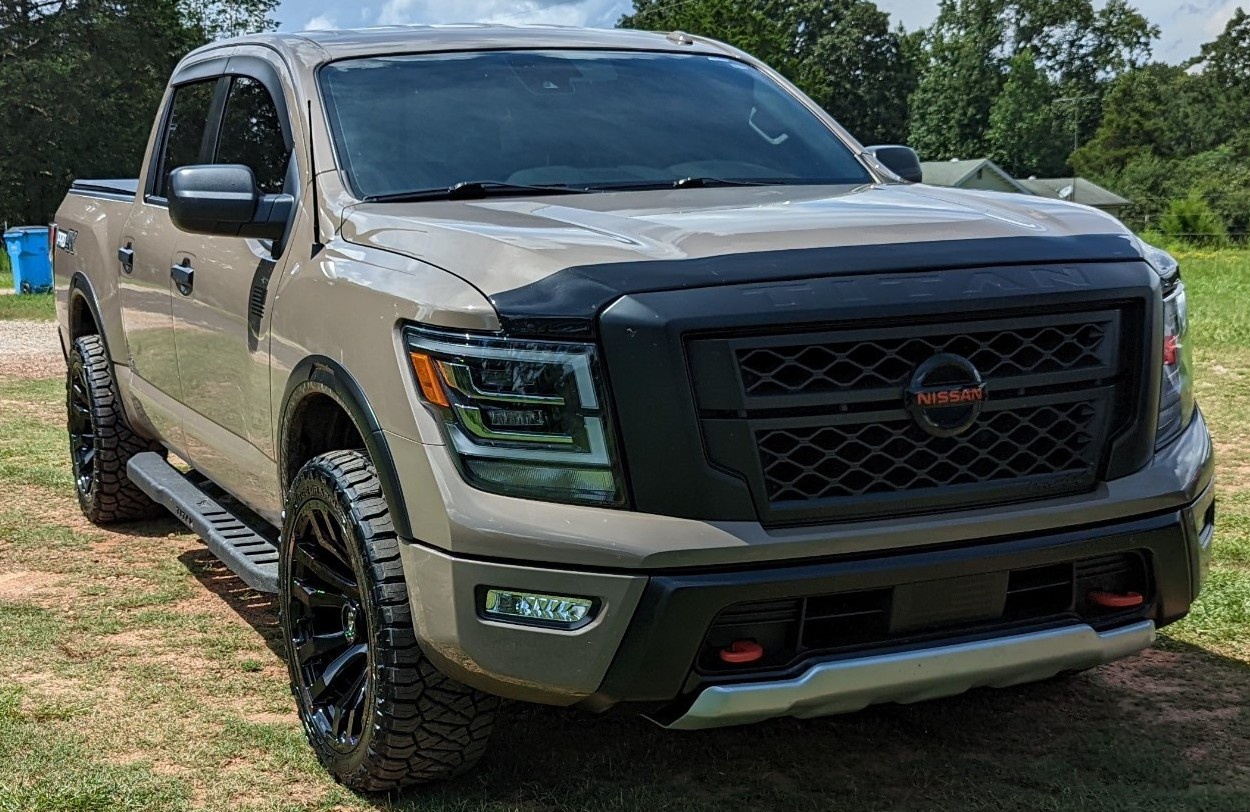
| Nissan Titan | 2024 | Deep discounts on a truck with one of the best factory warranties ever offered; parts risk is real but truck bones are simple |
| Ford Edge | 2024 | Sensible two-row on a shared Ford platform, so parts commonality is excellent; pure value play |
| Chevrolet Malibu | 2025 | The last affordable Chevy sedan; commodity parts everywhere, but zero enthusiasm and soft resale |
| Mitsubishi Mirage | 2025 | Cheapest new-car math in America at clearance prices, if basic transportation is the whole mission |
| Dodge Challenger / Charger (Hemi) | 2023 | The fanbase exception in action: demand for the last V8s has kept values stubborn |
Notice the pattern: the vehicles worth chasing are either enthusiast machines with loyal followings (Camaro, Challenger) or platform-sharers with commodity parts (Edge, Malibu). The riskiest buys are low-volume orphans that were unique when alive and will be uniquely hard to support now.

The Benefits, With Numbers Attached
The discount is real
Dealers clearing discontinued inventory typically cut 10 to 20% off, and often stack low-APR financing on top to move the metal faster. On a $45,000 truck, that's the budget for wheels, tires, and a leveling kit with money left over, which is a framing we're admittedly biased toward.
No waiting, no games
Discontinued models are sitting in stock, not on order sheets. You skip the waitlist, the market adjustments, and the "your build date has moved" emails.
Every problem is already documented
A vehicle at the end of its run has years of owner forums, mechanic familiarity, and known-issue fixes behind it. You're buying the most debugged version of that vehicle ever made, usually with every mid-cycle improvement baked in.
Mature aftermarket
Years in production mean the accessory and modification catalogs are fully built out. The aftermarket doesn't stop making parts when the factory stops making vehicles; it keeps serving the installed base for decades. Ask anyone still building square-body Chevys.
The Drawbacks, Stated Plainly
Depreciation hits harder
This is the big one. Discontinued models tend to lose value faster because future used buyers worry about support and read discontinuation as a verdict. If you flip vehicles every two or three years, the front-end discount can evaporate on the back end.
Parts get thinner over time, but selectively
Routine parts (brakes, filters, suspension wear items) stay available for many years because they're shared and high-volume. The trouble is model-specific pieces: unique body panels, trim, and proprietary electronics. The single best risk hedge is parts commonality: a discontinued vehicle that shares its engine and platform with something still in production ages gracefully; a one-off orphan doesn't.
Warranty and dealer support fade
The factory warranty you get at purchase is real, but manufacturer attention drifts to current models, and a shrinking pool of technicians stays sharp on yours.
The tech clock is frozen
Whatever driver-assist and infotainment generation the vehicle died with is what you live with. For some buyers that's a dealbreaker; for the buy-it-and-keep-it crowd, it's Tuesday.
The Decision Framework
Skip the "it depends." Ask three questions:
| Question | Why It Matters |
|---|---|
| 1. Will I keep it 5+ years? | Long ownership means the resale penalty never gets invoiced; you simply use the discount |
| 2. Does it share parts with living models? | Platform and powertrain commonality is what keeps repairs cheap and fast a decade out |
| 3. Does it have an enthusiast base? | Fanbases sustain aftermarket support and prop up resale; see: every last-of-the-V8s |
The Builder's Angle: Discontinued Doesn't Mean Orphaned
Here's the part the buying guides miss: the aftermarket doesn't care what the factory is doing. Wheels fit by bolt pattern, offset, and bore, not by production status. Tires fit by size. Suspension keeps getting developed for platforms with big installed bases for decades after the last one rolls off the line. A discontinued Camaro or Titan is just as buildable today as it was in the showroom, sometimes more so, because the fitment data is fully mapped and the guesswork is gone.
That's also why the discount math favors builders: the 10 to 20% you save at the dealer is exactly a wheel, tire, and suspension budget. If you're weighing wheel choices for whatever you land on, our wheel materials guide and SUV tire roundup are good next reads.
Why Buy the Package From SD Wheel
Whatever you drive, dead nameplate or not, we fit it. Every wheel and tire package ships mounted, balanced, and free from our Wrightstown, Wisconsin warehouse, verified against your exact vehicle from over a million combinations, and backed by the Perfect Drive 30-day fitment guarantee. Financing available, and your discontinued vehicle's fitment data isn't going anywhere; it's the one part of the ownership experience that never gets discontinued.
Frequently Asked Questions
Do discontinued cars lose value faster?
Usually, yes. Used buyers discount them for perceived support risk, so depreciation runs ahead of comparable living models. The exceptions are enthusiast vehicles with strong followings, where scarcity can actually support values, as the last V8 Challengers and Camaros are currently demonstrating.
How long are parts available after a vehicle is discontinued?
Routine maintenance and wear parts typically stay available for well over a decade, since manufacturers and suppliers keep supporting the installed base. Model-specific items like body panels, trim, and proprietary electronics are the ones that get scarce. The more parts a vehicle shares with models still in production, the smaller this problem gets.
Can I still get warranty service on a discontinued model?
Yes. The factory warranty is a contractual obligation that survives the nameplate, and dealers must honor it. What fades over time is everything beyond the warranty: dealer familiarity, goodwill repairs, and manufacturer attention.
Is a discontinued vehicle a good first project car?
Often it's the best choice: purchase prices are lower, every problem is documented in forums, and the aftermarket catalog is complete. Pick one with a big installed base and an active community, and you'll have more build resources than the owner of a current-year model.
Can I still get wheels and tires for a discontinued vehicle?
Absolutely. Fitment is about bolt pattern, offset, hub bore, and tire size, none of which change when production ends. If anything, discontinued platforms have the most thoroughly verified fitment data, because the aftermarket has had years to map them.
Guide updated July 2026 with current discontinuation list and market data. Discount ranges reflect typical closeout pricing and vary by model and region.
