
 0MY CART
 0
Top Reasons to Buy Winter Tires Now, Yes, Before the Snow
August 25, 2026
Top Reasons to Buy Winter Tires Now, Yes, Before the Snow
August 2026The best time to buy winter tires is months before you need them, and there are five honest reasons: shipping time is on your side now and against you in October, the 46°F rule means winter rubber earns its keep long before snow, selection is deepest before the fall rush empties the popular sizes, the second-set-of-wheels math works best when planned ahead, and having them beats needing them every single time. Summer you handles it in ten minutes; November you sends thanks.
We know, we know: it's hot out, and cold weather is the last thing on anyone's mind between pool days, vacations, and ball games. That's exactly why this is the moment. Preparation beats scrambling, and the people sliding through their first commute of the season all had the same summer you're having. Here's the full case for ordering now.

1. Get Ahead of Shipping Times
Supply chains have mostly recovered from their rough years, and shipping can still turn into a hassle when you order two weeks ago and there have been three thunderstorms and an October blizzard since (that's a real sequence; we checked). In-stock tires process in a matter of days right now; wheel and tire packages take a couple of weeks because they arrive mounted and balanced. Order in late summer and every one of those days is painless. Order during the first cold snap, when everyone else does too, and each day feels like a season.
2. Winter Tires Go to Work in Fall, Long Before Snow
Here's the part most drivers learn the cold way: when temperatures drop below 46 degrees Fahrenheit (7 degrees Celsius, for those who celebrate), summer tire compounds stiffen and lose grip at a rapid rate, snow or no snow. North of the Mason-Dixon line, that threshold shows up any random morning once football season starts. Winter compounds stay pliable exactly where summer rubber gives up, which means the switch date is a thermometer reading, never a snowflake sighting.
3. The Early Bird Gets the Full Catalog
Winter tires are a seasonal commodity, and the popular sizes behave like one: deep selection in late summer, thinning shelves by mid-fall, slim pickings by the first storm. Buying now means choosing from the entire field ranked in our best snow tires guide; buying in November often means choosing from whatever's left in your size.
4. The Second-Set Math Works Best in Summer
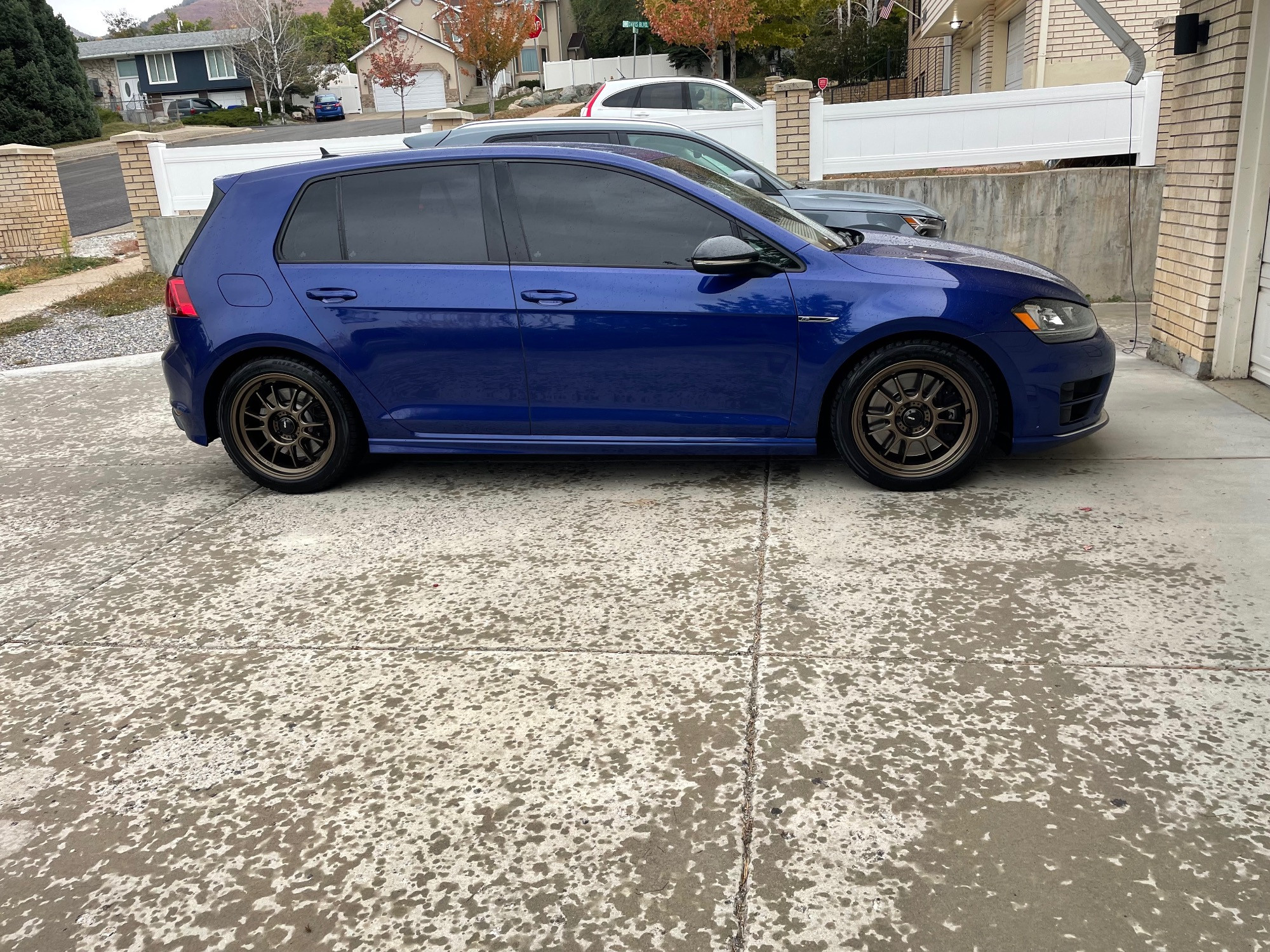
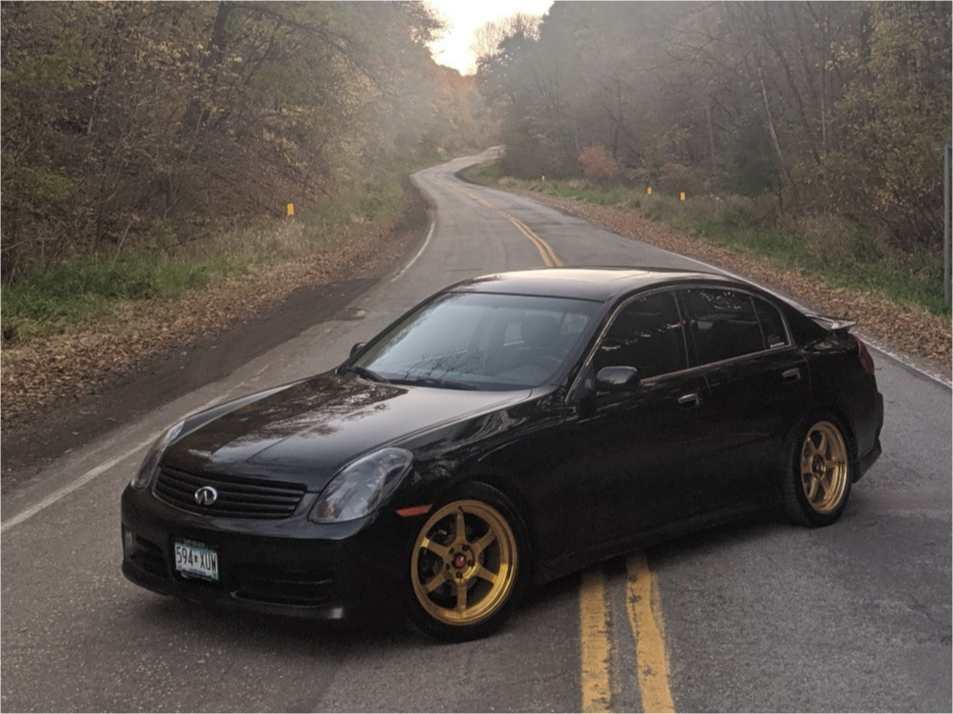
The cleanest winter setup is a dedicated set of wheels wearing the winter rubber: swap the whole corner in your driveway each season, skip the twice-yearly mount-and-dismount fees, and spare your good wheels from the salt. Budget-friendly OEM replica wheels exist practically for this job, and planning the set in summer means it arrives assembled, balanced, and staged in the garage with weeks to spare before the first frost.
5. Better to Have Them Than Need Them
Winter tires are real engineering, never a gimmick sold to you by Big Tire. The construction, tread depth, and cold-weather pliability are purpose-built for slick conditions in ways summer and even all-season rubber can't match, and the difference shows up precisely in the braking and cornering moments that matter most. Summer tires in bad conditions are a hazard to you and everyone around you; the science behind the certifications is in our guide to snow ratings and the 3PMSF symbol.
The Winter Tire Calendar
| When | What to Do | Why |
|---|---|---|
| Late summer | Order tires (or the full wheel set) | Full selection, relaxed shipping, zero stress |
| Early fall | Everything arrives; stage it in the garage | Ready before the thermometer decides |
| Consistent sub-46°F days | Make the swap | Compound threshold, snow optional |
| Spring, consistently above 46°F | Swap back, store the winters clean and dry | Warm pavement eats winter compound fast |
Frequently Asked Questions
When should I actually install winter tires?
When daytime temperatures sit consistently below 46°F. That's when winter compounds start outgripping everything else, usually weeks before the first plowable snow.
Do I really need all four winter tires?
Yes. Mixing winter and non-winter rubber creates a grip imbalance between axles that makes handling unpredictable exactly when you can least afford it. Four or none.
Can I just run winter tires year-round?
You can, and your wallet will object; soft winter compounds wear rapidly on warm pavement. The seasonal swap is what makes a winter set last for years, and a second wheel set makes the swap a driveway job.
Are all-season tires enough for winter?
In mild climates with occasional light snow, quality all-seasons manage. In real winter country, the gap between all-season and true winter rubber in braking and cornering is the kind you measure in car lengths. The tire type guide draws the line honestly.
Winter sizes sell through fastest of any category; product pages carry live stock.
