0MY CART
 0
Best Snow Tires for Cars, Trucks & SUVs: Top Picks Ranked For 2026-27
February 2, 2026
The Best Snow Tires for Your Car, Truck, or SUV
Updated February 2026 · Originally published Sep 2022The short list, by mission: Bridgestone Blizzak WS90 rules ice, Michelin X-Ice Snow pairs deep-winter grip with a rare 40,000-mile warranty, Nokian Hakkapeliitta R5 is the pure-winter specialist, the Blizzak DM-V2 covers trucks and SUVs, and the Firestone Winterforce 2 is the studdable budget hero. Want one set year-round? The all-weather Toyo Celsius II is the honest compromise. The rule that governs all of it: once temperatures sit below 46°F, winter rubber outgrips everything else you can bolt on.
Here in the Midwest we know the drill: the crinkly leaves trade places with crunchy snow, our favorite football teams find new and creative ways to disappoint us, and your car, truck, or SUV needs to be ready for whatever the season throws. That's dramatically easier with proper winter tires, so here's the full guide: how winter tires actually differ, whether you need them, the best picks for every vehicle and budget, and why the smart money buys before the first storm.
What's In This Guide
- How Winter Tires Differ
- Winter or All-Season?
- Best for Cars
- Best for Trucks & SUVs
- The One-Set Route
- Why Buy Ahead
- FAQ
How Are Winter Tires Different From All-Seasons?
You'd be forgiven for thinking winter and all-season tires are more or less the same, and the opposite is true. Winter tires are built from a softer, more pliable rubber compound that stays flexible in cold temperatures where other compounds stiffen into hockey pucks. Most run zig-zag-patterned tread grooves, dense siping, and extra tread depth, all of which grip slippery surfaces, expel water and slush efficiently, and keep handling strong in genuinely bad weather.
Many winter tires are also studdable, meaning they accept small metal studs that physically bite into ice for the harshest conditions, where local law allows them. Our snow rating guide explains the 3PMSF certification that separates real winter capability from marketing.
Should You Get Winter or All-Season Tires?
It depends on where you live and what you drive. Both handle cold, wet conditions, but winter tires are far better optimized for actual snow and ice, and they buy real peace of mind. The trade: they're designed for the cold season only, and running them through warm months wears them down fast.
The threshold worth memorizing: below about 46°F (7°C for those who celebrate), summer and all-season compounds start losing effectiveness at a rapid rate. If your winters flirt with that number occasionally, quality all-seasons suffice. If your winters live below it, with real snow and ice, a dedicated winter set from November through March is the answer, and everything on this list earns its keep.
Best Winter Tires for Cars
Bridgestone Blizzak WS90
The gold standard on deep snow and hard ice. Bridgestone's Multi-Cell compound is hydrophilic; it absorbs the thin water film that makes ice slippery, creating micro-suction that measurably improves braking and cornering where other tires skate. If your commute includes glare ice, this is the safest answer in the class. Shop Blizzak.
Michelin X-Ice Snow
Michelin retired the beloved X-Ice Xi3 this page once recommended and replaced it with the X-Ice Snow, keeping the mission: refined control, deep-winter traction, and famously long tread life, backed by a 40,000-mile warranty, rare paper in the winter world. The consumer favorite for drivers who keep winter sets for many seasons. Shop Michelin winter tires.
Nokian Hakkapeliitta R5
From the Finns who invented the winter tire: the current-generation R5 delivers pure winter grip with remarkable quiet and efficiency, now in passenger, SUV, and EV versions. When winter is the season your year revolves around, this is the enthusiast's pick. Shop Nokian.
Firestone Winterforce 2
Certified with the three-peak mountain snowflake and known for lasting many winters, the Winterforce 2 runs a special cold-weather compound, open shoulder slots, and full-depth tread features for long-lived grip, and it accepts studs where legal. Consistently the value price of the dedicated-winter class, and budget shoppers should also see our budget winter pick for crossovers. Shop the Winterforce 2.
Best Winter Tires for Trucks & SUVs
Bridgestone Blizzak DM-V2
The Blizzak formula scaled up: comfortable, quiet, with reliable handling and impressive snow-and-ice traction for trucks and SUVs. Bridgestone built it to give you the confidence to drive in the worst conditions, and owner ratings have backed that up for years. Shop the DM-V2.

VikingContact 7, Winter Maxx, Ultra Grip & Sottozero
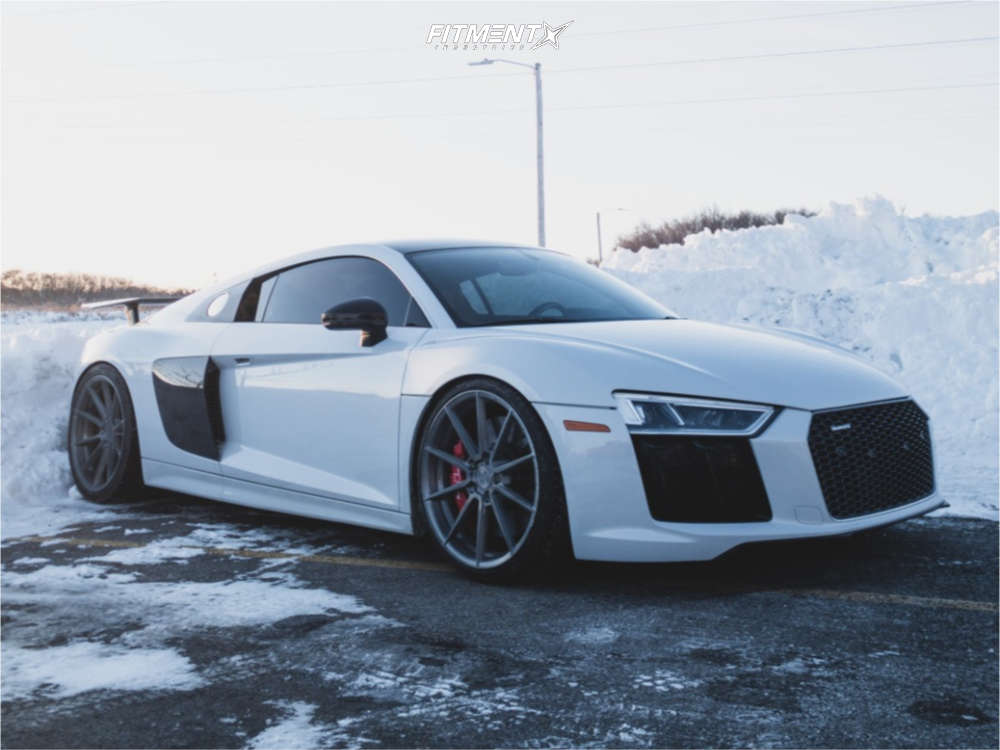
The rest of the proven field: Continental's VikingContact 7 for studless Scandinavian-style grip, Dunlop's Winter Maxx as the value-brand contender, Goodyear's Ultra Grip family across cars and SUVs, and Pirelli's Winter Sottozero line for performance cars whose owners refuse to hibernate; that's the one under the R8 up top. Shop all winter tires.
The One-Set Route: All-Weather Tires
If swapping tires twice a year is a dealbreaker and your winters are real but not brutal, the all-weather category splits the difference honestly.
Toyo Celsius II & Open Country C/T
The Celsius II succeeded the Celsius CUV this list once carried: a year-round tire with genuine snow chops, Toyo claims the Celsius family stops up to 31 feet shorter on snow than typical all-seasons, multi-wave sipes, snow claws, and slush grooves, backed by a 60,000-mile warranty no dedicated winter tire can offer. For trucks, the Open Country C/T carries the 3PMSF rating on a commercial-grade all-terrain that runs year-round, quiet and durable in classic Toyo fashion. Shop the Celsius II or the Open Country C/T.
Why the Smart Money Buys Before the Storm
Three reasons, none of them a marketing gimmick from Big Tire. First, shipping beats scrambling: order ahead and your set is mounted and waiting when the forecast turns, with our in-stock tires delivering quickly all season. Second, winter tires earn their keep in fall: once temperatures dip below that 46°F line, which arrives any time after football season starts north of the Mason-Dixon, summer rubber is already giving up grip. Third, it's better to have them than need them: the construction, tread depth, and pliability differences are real, and ineffective warm-weather tires in bad conditions are a safety problem for you and everyone around you. Late-season shoppers, take heart: end-of-winter timing regularly catches this season's stock at friendly pricing, and the tires keep just fine until the snow returns.
| Tire | Type | Warranty | Best For |
|---|---|---|---|
| Blizzak WS90 | Dedicated winter | Winter-tire standard | Ice-heavy commutes |
| Michelin X-Ice Snow | Dedicated winter | 40,000 mi | Multi-season longevity |
| Hakkapeliitta R5 | Dedicated winter | See product page | Severe winters, EVs too |
| Blizzak DM-V2 | Dedicated winter | Limited winter | Trucks & SUVs |
| Winterforce 2 | Dedicated winter, studdable | See product page | Budget winters |
| Toyo Celsius II | All-weather | 60,000 mi | One set, real seasons |
| Open Country C/T | All-weather AT (3PMSF) | See product page | Trucks, year-round |
Shop Winter Tires at SD Wheel
Every pick here ships fast from our Wrightstown, Wisconsin warehouse, where we take winter personally. Package winter tires with a set of wheels and everything arrives mounted, balanced, and shipped free with the Perfect Drive 30-day fitment guarantee, ready to swap on the day the forecast turns. Financing is there if the season snuck up on the budget.
Frequently Asked Questions
When should I put winter tires on?
When daily temperatures settle below 46°F (7°C), regardless of whether snow has arrived. The compound advantage starts at that threshold, well before the first flake.
Can I run winter tires year-round?
You can, and you'll regret it: the soft compound wears rapidly in warm weather and handles worse than an all-season in summer. If one set is the goal, buy an all-weather tire like the Celsius II, built exactly for that compromise.
Do AWD vehicles need winter tires?
Yes, arguably more than anyone, because AWD confidence writes checks that all-season tires can't cash in braking. AWD helps you accelerate; only tires help you stop and steer.
What's the difference between all-weather and winter tires?
All-weather tires carry the 3PMSF snow certification and survive summer; dedicated winter tires grip harder in the worst conditions and must come off in spring. Severe winters justify the dedicated set; moderate ones don't.
Are studded tires worth it?
On regular glare ice and packed rural roads, metal studs deliver grip nothing else matches. They're noisy on pavement and restricted or banned in some states, so check local law; studdable picks like the Winterforce 2 let you decide later.
Updated February 2026 with current-generation picks. Winter stock moves fast in season; the store links show live availability.